 PBIS
PBIS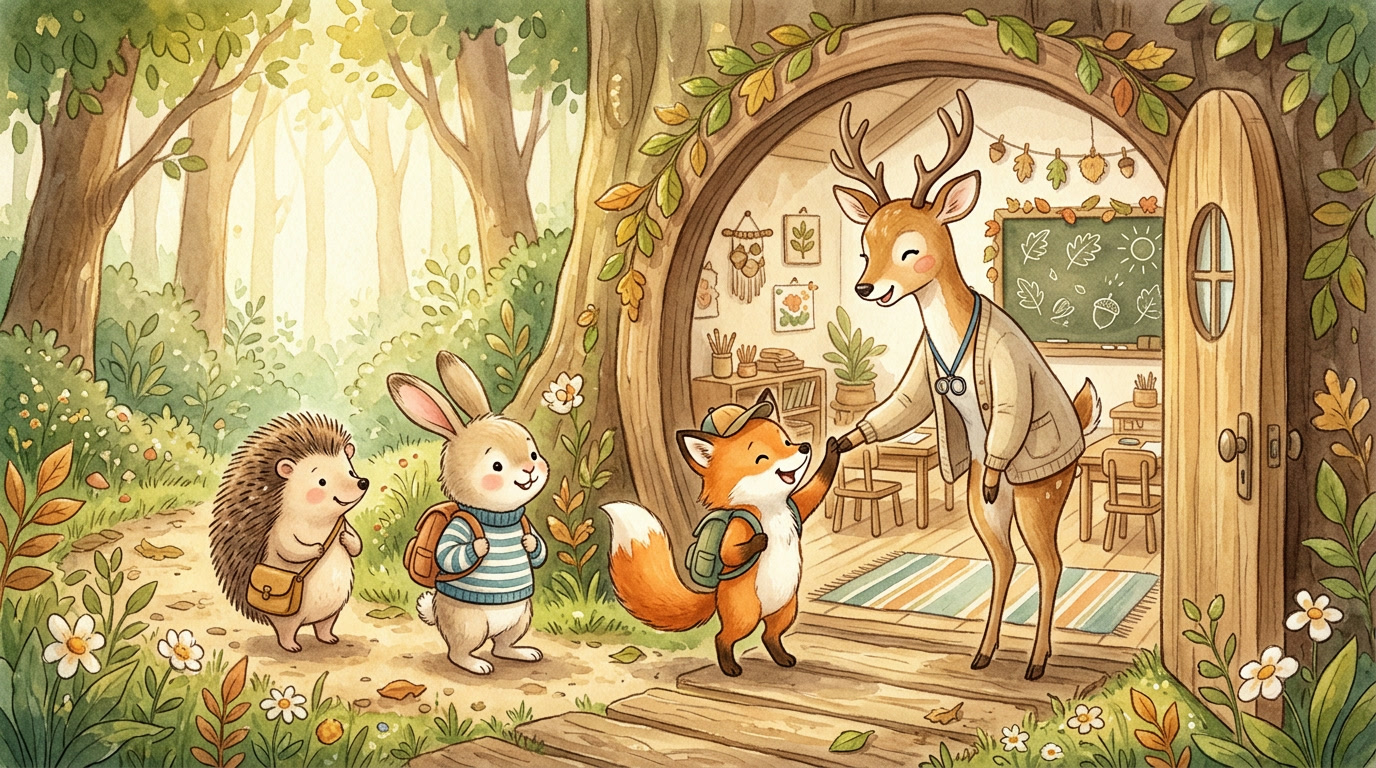
Tier 3 · Intensive
Individualized plans for a few students
Tier 2 · Targeted
Small-group, structured support for some
Tier 1 · Universal
Positive supports for all students
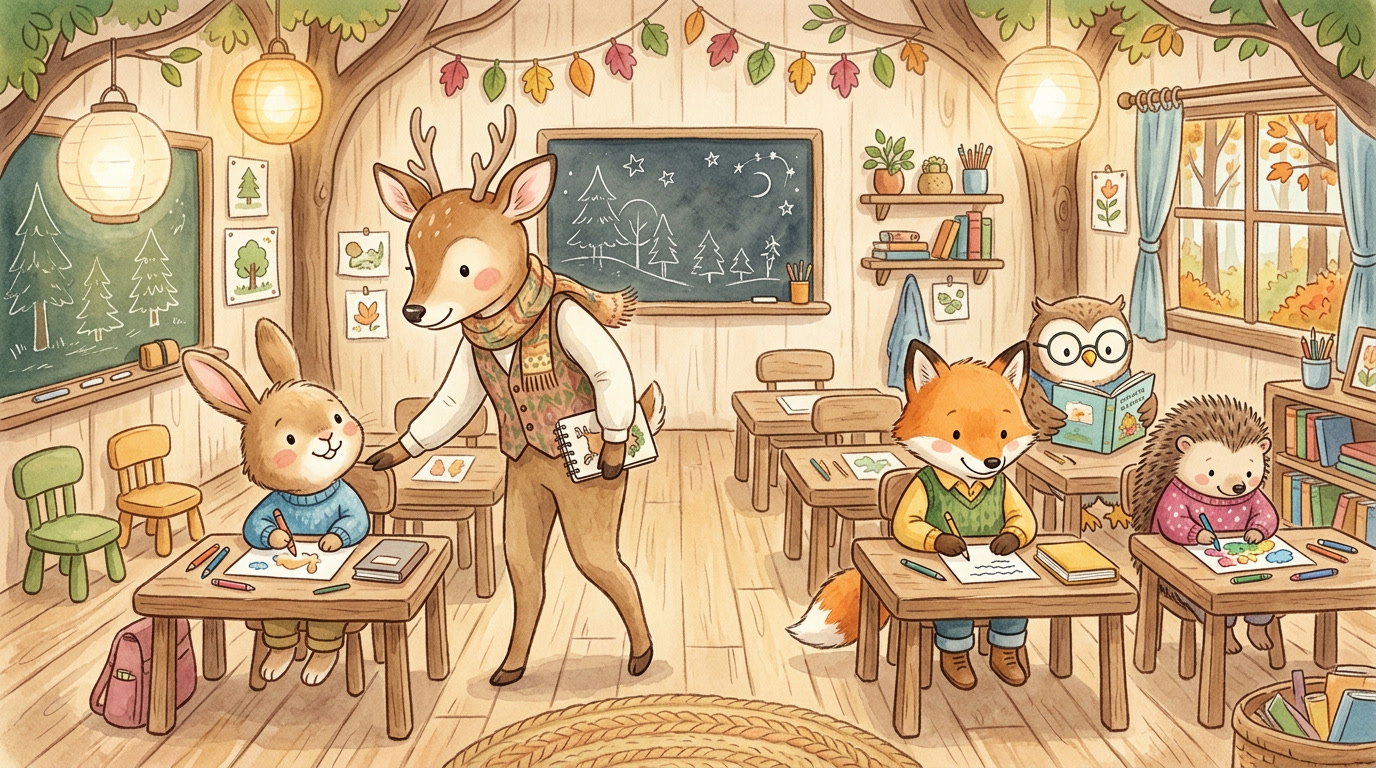
When schools roll out PBIS, the kickoff slideshow always shows the famous triangle — and then everyone spends the year talking about the top of it. But the honest truth is that Tier 1 is where PBIS succeeds or fails, and Tier 1 doesn't live in the front office. It lives in the small, repeatable things you do in your classroom every single day: how you start class, how you word your expectations, and what you choose to notice.
If you're new to the framework, start with our plain-English guide to PBIS. This post goes one level deeper: what Tier 1 actually looks like inside a classroom, and which practices have real evidence behind them.
Tier 1 is where PBIS actually lives
Tier 1 is the universal layer — the supports every student gets, before anyone is struggling. The framework's logic is simple: when universal supports are strong, they meet the needs of roughly 80% of students, which keeps the smaller, more intensive tiers from being flooded.
The Center on PBIS describes classroom Tier 1 as a handful of interlocking habits: an organized environment, a few positively stated and explicitly taught expectations, active supervision, high rates of specific feedback, and calm, instructional responses when behavior goes sideways. None of it is flashy. All of it is teachable — to us, not just to the kids.
The five practice areas the research keeps confirming
The most useful map of classroom Tier 1 comes from Brandi Simonsen, George Sugai, and colleagues, who reviewed 81 studies against What Works Clearinghouse–style criteria and identified 20 evidence-based classroom management practices grouped into five categories. Here they are, translated from journal-speak.
1. Maximize structure and predictability
Students behave better in rooms where they can predict what happens next. That means visible routines for arrivals, materials, and transitions, and a physical layout that lets you move and see everyone. If transitions are your rough spot, our guide to calm classroom transitions walks through this piece in detail.
2. Post, teach, review, and reinforce expectations
Pick three to five positively stated expectations, post them, and — this is the part that gets skipped — teach them like academic content. Model what "respectful" looks like at the carpet versus the hallway. Practice it. Re-teach after every long weekend, because behavior fades exactly like any other skill nobody has practiced.
3. Actively engage students in observable ways
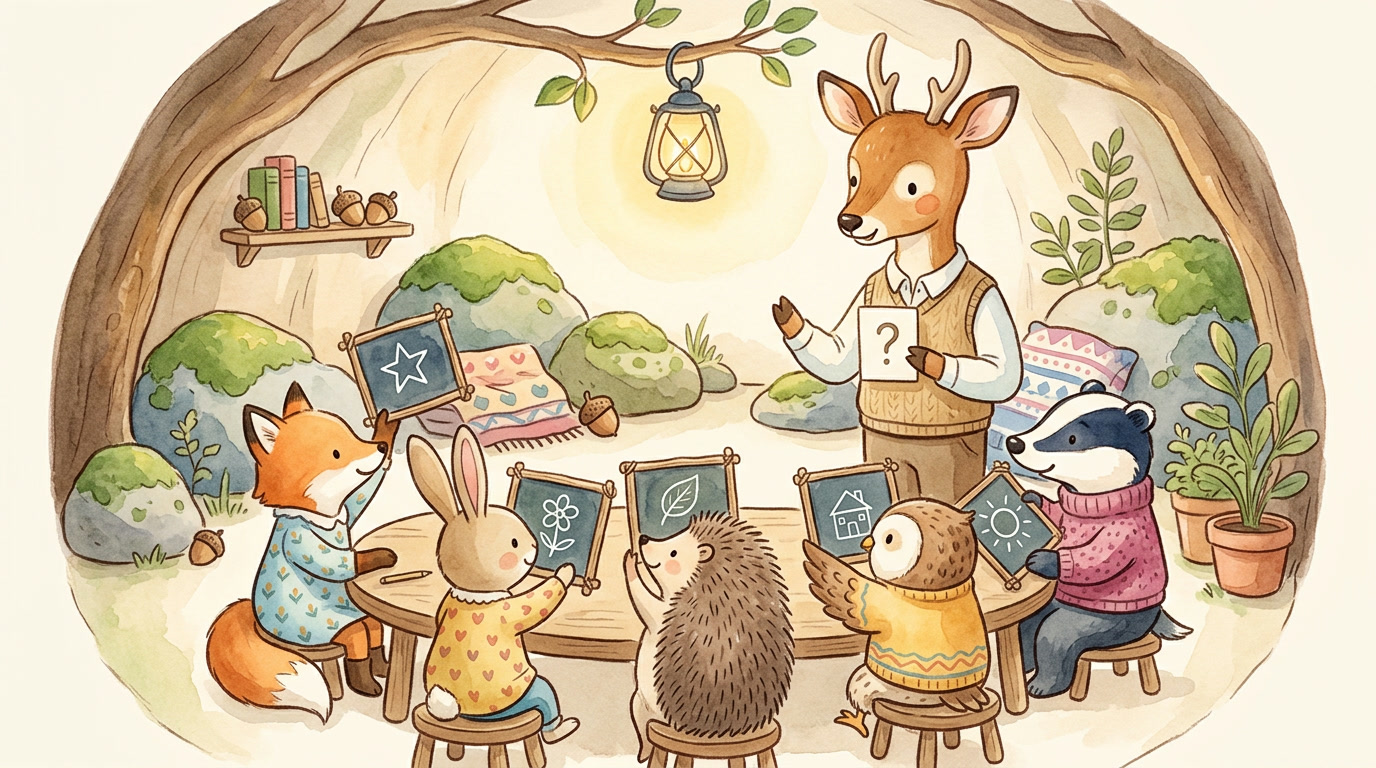
Behavior problems shrink when opportunities to respond grow. High rates of questioning, response cards, choral responses, partner talk — anything that keeps every student doing something observable rather than waiting their turn to disengage.
4. Acknowledge appropriate behavior — on purpose, not by accident
This is the "positive" in PBIS, and it's the category most classrooms under-dose. The research supports a continuum of acknowledgment: behavior-specific praise at the bottom, class-wide systems and token economies further up. The common thread is that reinforcement is specific, sincere, and frequent — for the why behind that, see the science of praise.
This is exactly the habit Chou Chou Teach was built to support: points only ever go up, so acknowledging a student the moment they meet an expectation takes one tap — and the system never drifts into a public tally of who misbehaved.
5. Respond to misbehavior calmly and instructionally
Tier 1 doesn't mean no consequences. It means responses are predictable, brief, and instructional — error correction, redirection, planned ignoring of minor attention-seeking — instead of escalating lectures. The goal is to get the student back to learning with the least drama possible.
The fastest win: greet them at the door
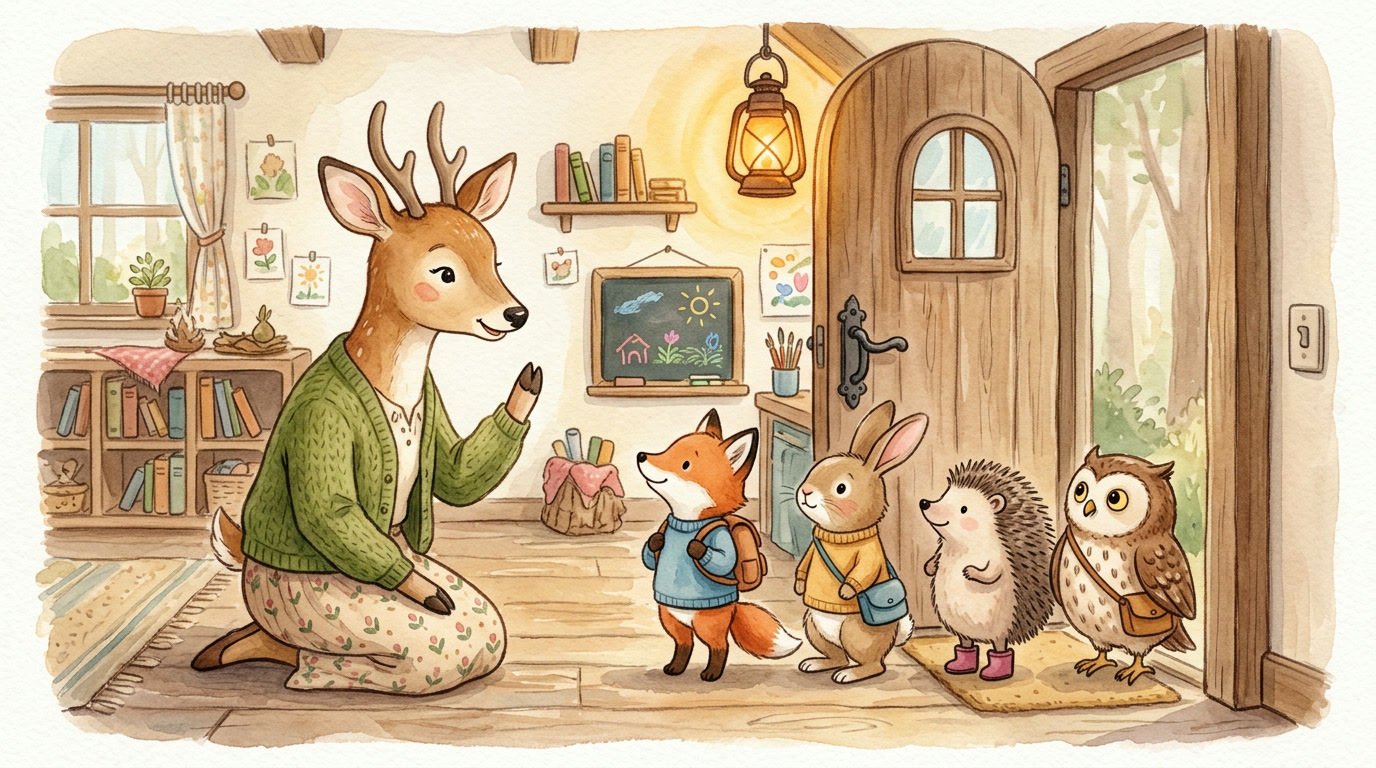
If you want one Tier 1 practice to start tomorrow, the evidence points at the door. Clayton Cook and colleagues ran an experimental study of positive greetings at the door in middle school classrooms: teachers met each student at the threshold with a name, a positive comment or a quick precorrection ("we're starting with partner work — grab your notes"). The strategy produced significant improvements in academic engaged time and reductions in disruptive behavior — and teachers rated it as easy and sustainable. It costs nothing and takes ninety seconds.
It works because it front-loads connection and predictability before the first behavior problem has a chance to happen — prevention instead of reaction, which is the whole spirit of Tier 1.
Does Tier 1 actually pay off?
The best single answer comes from Catherine Bradshaw, Mary Mitchell, and Philip Leaf, who ran a five-year randomized controlled trial across 37 elementary schools. Schools trained in school-wide PBIS implemented the model with strong fidelity and saw significant reductions in office discipline referrals and suspensions compared with comparison schools. That's the payoff pattern the framework promises: teach and reinforce behavior up front, and the reactive machinery — referrals, suspensions, hallway lectures — gets used less.
The caveat that runs through all of this research: results follow fidelity. A poster on the wall is not Tier 1. Consistent daily practice is.
Keep it small, keep it consistent
You don't need all 20 practices by Friday. Pick one from each end of the day: greet students at the door tomorrow morning, and end the week by re-teaching one expectation that has gotten fuzzy. Layer in a consistent acknowledgment habit — whether that's behavior-specific praise or a positive-only points system like Chou Chou Teach — and you'll have the load-bearing walls of Tier 1 in place.
For more on the framework, browse the PBIS topic hub or our companion guide to positive reinforcement in the classroom.
References
- Simonsen, B., Fairbanks, S., Briesch, A., Myers, D., & Sugai, G. (2008). Evidence-based practices in classroom management: Considerations for research to practice. Education and Treatment of Children, 31(3), 351–380.
- Bradshaw, C. P., Mitchell, M. M., & Leaf, P. J. (2010). Examining the effects of schoolwide positive behavioral interventions and supports on student outcomes: Results from a randomized controlled effectiveness trial in elementary schools. Journal of Positive Behavior Interventions, 12(3), 133–148.
- Cook, C. R., Fiat, A., Larson, M., Daikos, C., Slemrod, T., Holland, E. A., Thayer, A. J., & Renshaw, T. (2018). Positive greetings at the door: Evaluation of a low-cost, high-yield proactive classroom management strategy. Journal of Positive Behavior Interventions, 20(3), 149–159.
- Center on PBIS. Supporting and responding to students' social, emotional, and behavioral needs: Evidence-based practices for educators. Center on PBIS, University of Oregon.
Frequently asked questions
What is Tier 1 in PBIS?
What are examples of PBIS Tier 1 interventions in the classroom?
Does Tier 1 PBIS actually reduce behavior problems?
What is the easiest Tier 1 strategy to start with?
Do I need my whole school on board to do Tier 1?

Bec
Teacher & Chou Chou Educator
Bec is a fifth grade teacher who lives and breathes positive classrooms. She writes the Chou Chou Learn library to help fellow teachers catch their kids being good.