 PBIS
PBIS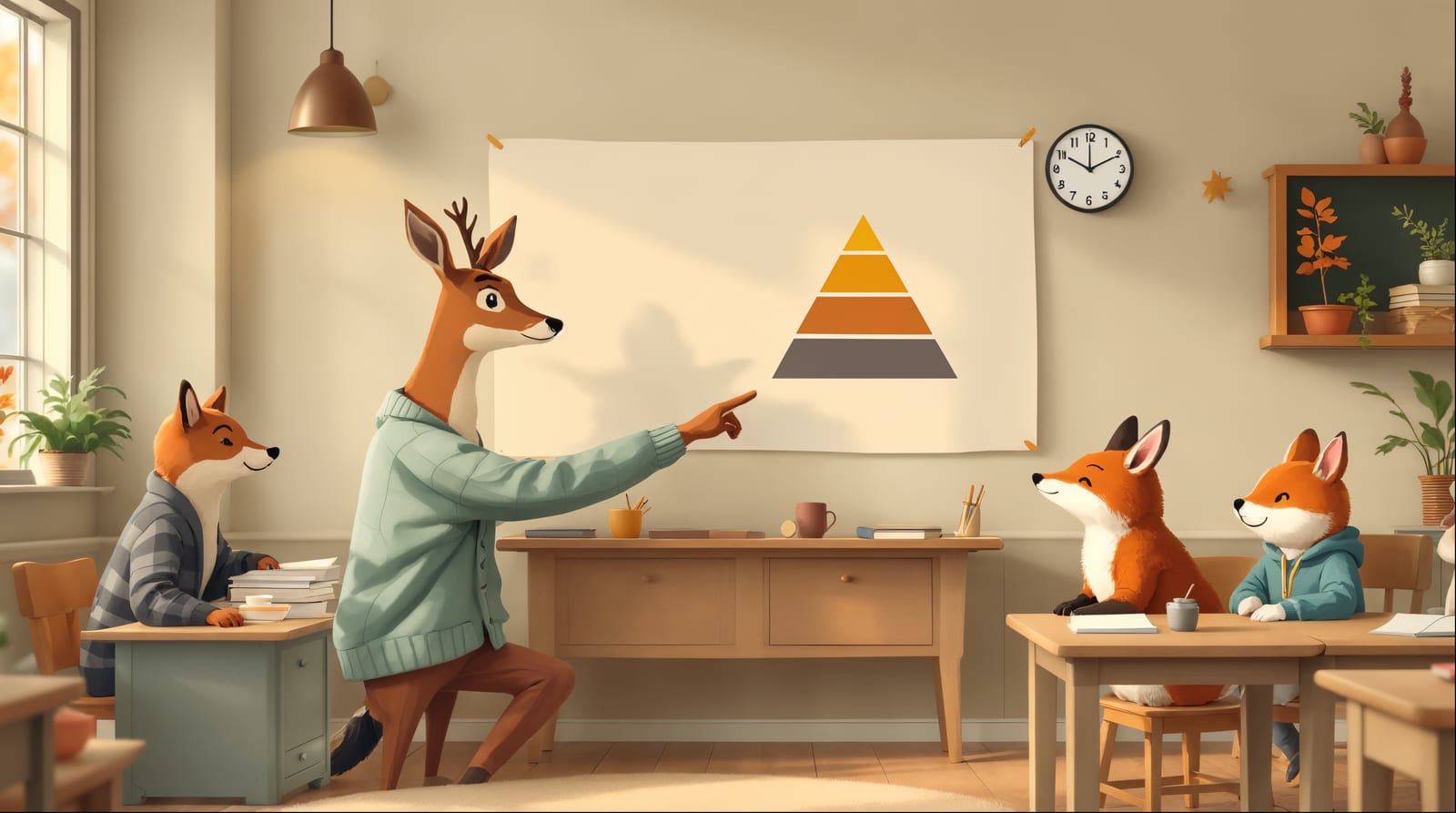
Tier 3 · Intensive
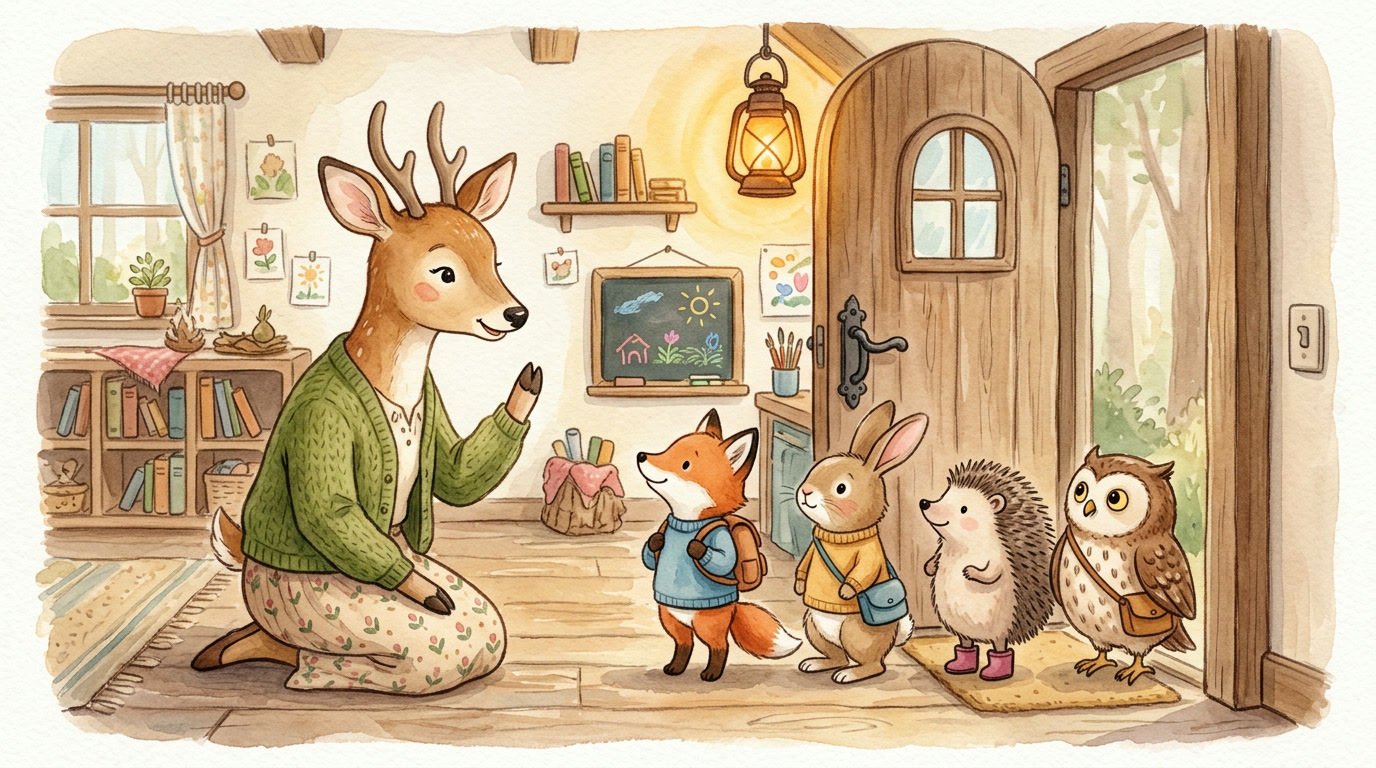
Individualized plans for a few students
Tier 2 · Targeted
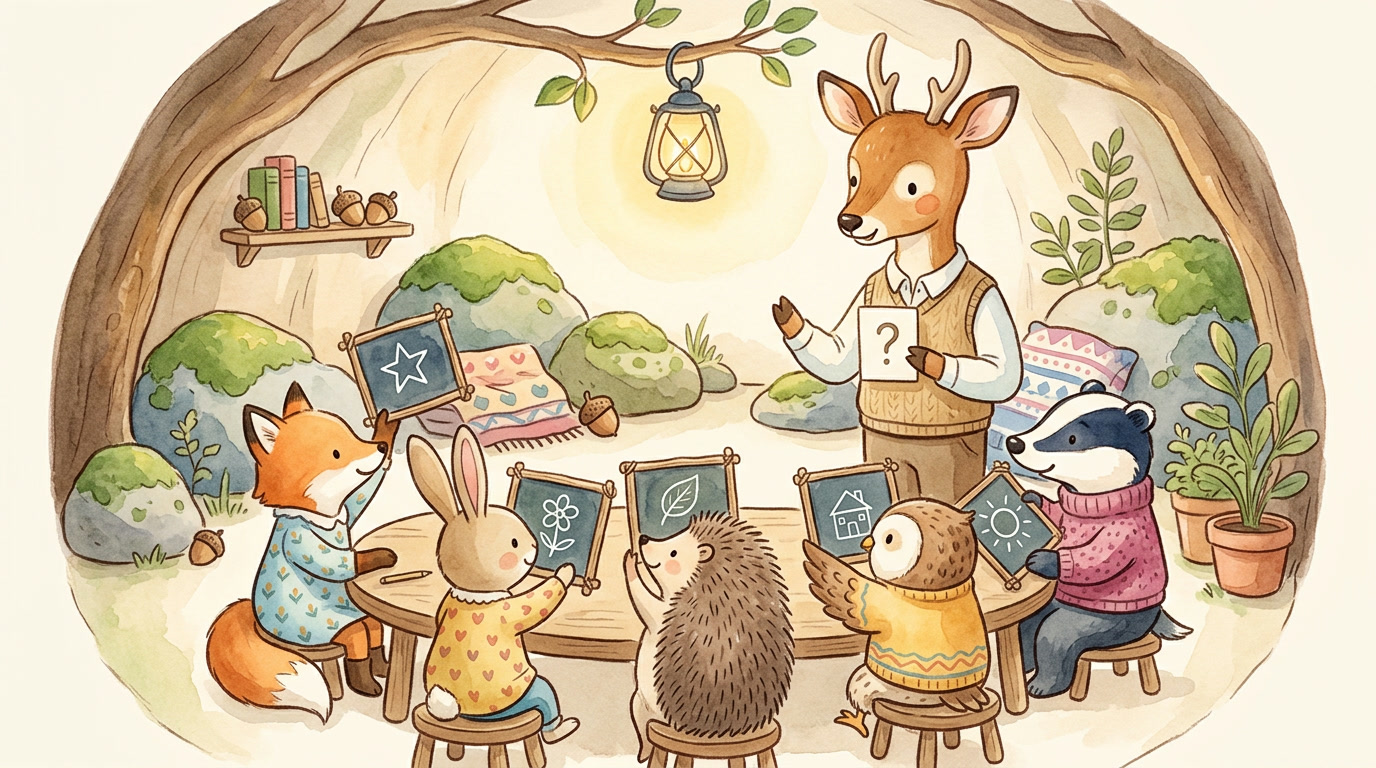
Small-group, structured support for some
Tier 1 · Universal
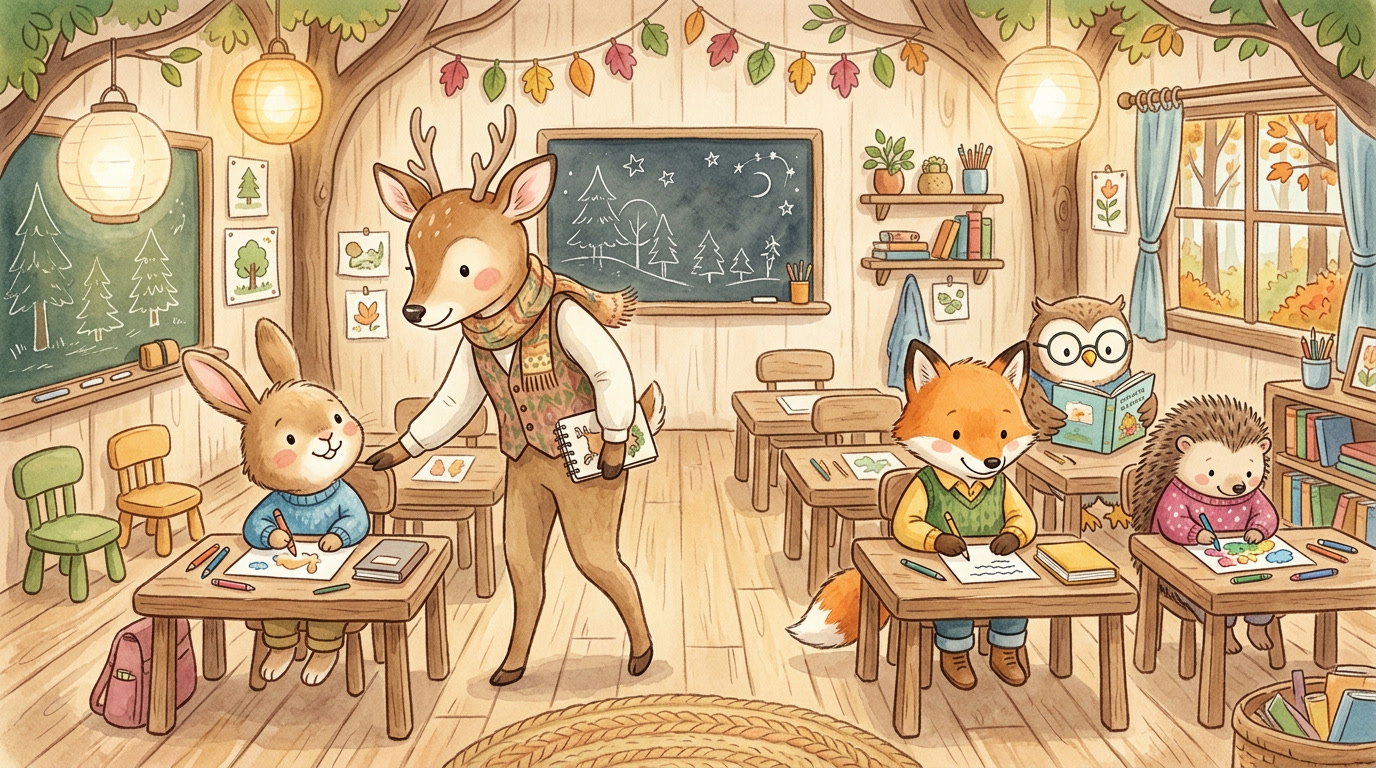
Positive supports for all students
PBIS stands for Positive Behavioral Interventions and Supports — a school-wide framework for teaching and reinforcing the behavior you want to see, instead of mostly reacting to the behavior you don't. It is built on three tiers of support, from universal strategies for every student to intensive help for a few, and it is a framework rather than a curriculum you buy off a shelf. In plain English: PBIS treats good behavior the way we treat reading — something you teach, model, practice, and praise.
What does PBIS actually mean?
The phrase unpacks neatly once you slow it down:
- Positive — the emphasis is on noticing and reinforcing what students do right, not just consequences for what they do wrong.
- Behavioral — it focuses on observable behavior you can name, teach, and track.
- Interventions — when behavior isn't where it needs to be, there's a planned response, not improvisation.
- Supports — the system exists to help students succeed, layering on more help for the kids who need it.
The big mindset shift is this: PBIS assumes that behavior is learned, which means it can be taught. We don't expect a third grader to "just know" long division — we teach it. PBIS asks us to be equally explicit about lining up quietly, disagreeing respectfully, or transitioning between activities.
Is PBIS a program I have to buy?
No — and this trips up a lot of teachers. PBIS is a framework, not a packaged curriculum. There is no single binder called "PBIS" that every school follows. Instead, your school decides what its expectations are (often three to five positively stated rules like Be Safe, Be Respectful, Be Responsible), how it will teach them, and how it will reinforce them. PBIS gives you the structure; your team fills in the content.
This is good news. It means PBIS flexes to fit a Montessori classroom, a big urban middle school, or a tiny rural K–8 alike. It is also why two PBIS schools can look quite different on the surface while sharing the same backbone.
What are the three tiers of PBIS?
PBIS is usually drawn as a triangle with three tiers. The percentages below are the commonly cited targets — the idea that strong universal support meets the needs of most students, leaving smaller groups who need more.
| Tier | Who it's for | What it looks like | Rough share of students |
|---|---|---|---|
| Tier 1 — Universal | Every student, every classroom | School-wide expectations taught explicitly; consistent positive reinforcement; predictable routines | ~80% |
| Tier 2 — Targeted | Students who need more than universal supports | Small-group interventions like check-in/check-out, social skills groups, mentoring | ~15% |
| Tier 3 — Intensive | The few students with the highest needs | Individualized plans, functional behavior assessments, wraparound supports | ~5% |
The tiers are cumulative, not separate tracks. A Tier 3 student still gets all of Tier 1 and Tier 2 — they just get additional, more intensive support layered on top. And the whole pyramid only works if Tier 1 is strong. If universal supports are weak, far more than 15% of students end up needing extra help, and the system gets overwhelmed.
What's the evidence behind PBIS?
PBIS isn't a fad — it grew out of decades of behavioral research. The framework was developed and refined largely through the work of Rob Horner and George Sugai, and it is supported by the OSEP Technical Assistance Center on PBIS, a national center funded by the U.S. Department of Education's Office of Special Education Programs (you'll find it at pbis.org).
Across many studies, schools that implement PBIS with fidelity — meaning they actually do it consistently, not just put a poster up — tend to see fewer office discipline referrals, fewer suspensions, and improvements in school climate. The reasoning lines up with basic behavioral science: behavior that is taught clearly and reinforced consistently tends to increase. (For the underlying principle, the foundational reinforcement research traces back to B. F. Skinner, whose work on how consequences shape behavior is the bedrock of the whole approach.)
The honest caveat researchers emphasize: results depend on implementation. PBIS done halfway — expectations posted but never taught, rewards handed out randomly — doesn't produce the same outcomes. Fidelity matters.
What does PBIS look like in my classroom?
For most teachers, PBIS lives at Tier 1, and it comes down to three habits:
- Name your expectations. Pick a small number of positively framed expectations and align them to your school's. "Be respectful" beats a list of twenty "don'ts."
- Teach them like academics. Explicitly model what respectful looks like during a lab, at the carpet, in the hallway. Practice it. Re-teach after a long weekend.
- Reinforce them consistently. Catch students meeting expectations and acknowledge it specifically and sincerely. This is where the "positive" in PBIS earns its name.
That third habit is where a positive-only classroom points app like Chou Chou Teach fits naturally. Because points only ever go up, it keeps the focus on reinforcing expected behavior — the core of Tier 1 — rather than tallying punishments. You can hand a point the moment a student helps a classmate or transitions calmly, making the reinforcement immediate and visible, which is exactly what the behavioral research says makes reinforcement work. (For the why behind effective acknowledgment, see our guide to the science of praise.)
A quick reality check: PBIS does not mean no consequences. It means consequences are predictable and instructional, and they sit inside a system that spends most of its energy teaching and reinforcing the right behavior up front.
Where to start
If your school is rolling out PBIS, start small and start with Tier 1. Get crystal clear on three expectations, teach them deliberately, and build a consistent reinforcement habit before you worry about anything fancier. The schools that succeed aren't the ones with the most elaborate reward stores — they're the ones whose teachers are consistent every single day.
Chou Chou Teach was built for exactly this kind of positive-first classroom — privacy-safe (just a first name and an avatar, no logins or last names for students) and aligned with PBIS by design. Explore our PBIS classroom app, browse more in the PBIS topic hub, or read our companion guide to positive reinforcement in the classroom.
References
- Sugai, G., & Horner, R. H. (2006). A promising approach for expanding and sustaining school-wide positive behavior support. School Psychology Review, 35(2), 245–259.
- Horner, R. H., Sugai, G., & Anderson, C. M. (2010). Examining the evidence base for school-wide positive behavior support. Focus on Exceptional Children, 42(8), 1–14.
- OSEP Technical Assistance Center on Positive Behavioral Interventions & Supports. What is PBIS? Retrieved from pbis.org.
- Skinner, B. F. (1953). Science and Human Behavior. Macmillan.
Frequently asked questions
What does PBIS stand for?
Is PBIS a curriculum or a program you buy?
What are the three tiers of PBIS?
Does PBIS actually work?
What does PBIS look like in a single classroom?

Bec
Teacher & Chou Chou Educator
Bec is a fifth grade teacher who lives and breathes positive classrooms. She writes the Chou Chou Learn library to help fellow teachers catch their kids being good.