 Classroom Management
Ask a veteran teacher for their best classroom-management secret and you'll rarely hear about a clip chart or a consequence ladder. You'll hear something quieter: the kids know I'm on their side. It turns out the research agrees — and the effect is bigger than almost anything else you can do.
What the research says
In a meta-analysis of more than 100 studies, Robert Marzano (2003) found that the quality of teacher-student relationships is the single most important factor in effective classroom management. The headline number is hard to ignore: teachers who had high-quality relationships with their students had about 31% fewer discipline problems, rule violations, and related issues over a school year than teachers who did not.
That's not a soft, feel-good finding — it's a behavior-management strategy with one of the strongest evidence bases in education. A student who feels known and valued is simply far less likely to act out.
This is the same logic behind the PBIS emphasis on proactive, positive interactions: connection prevents problems that consequences can only react to.
Relationships are built, not born
The good news is that "good with kids" isn't a fixed personality trait. Strong relationships come from small, repeatable habits — which means any teacher can build them on purpose.
Greet every student, every day
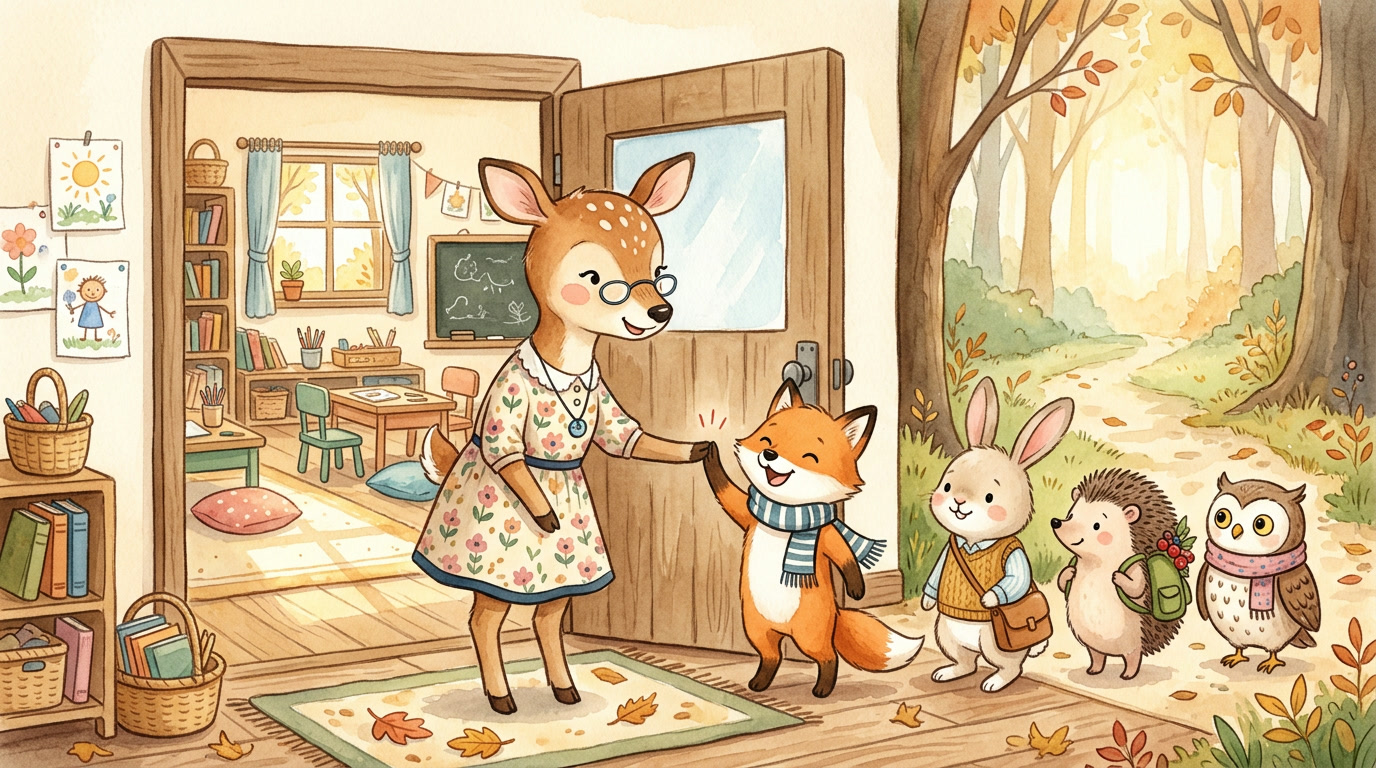
A warm, personal greeting at the door is one of the most-studied relationship habits, and the payoff is large. In a 2018 study, Cook and colleagues found that positive greetings at the door raised academic engagement by about 21 percentage points and cut disruptive behavior nearly in half. Thirty seconds per student, repeated daily, changes the whole room.
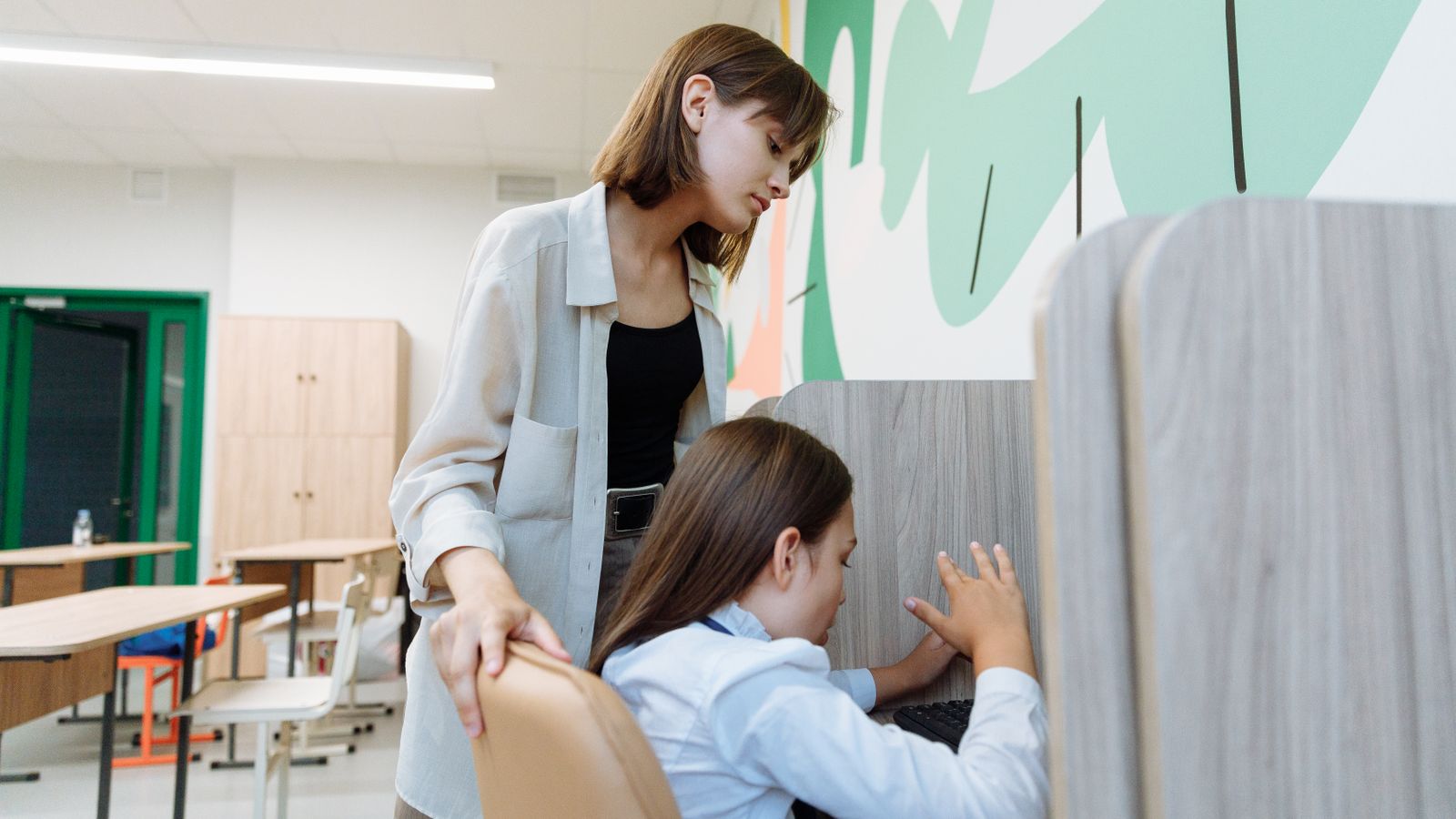
Try the 2x10 strategy
For a student you're struggling with, commit to a 2x10: two minutes of personal, non-academic conversation a day, for ten days in a row. Ask about their dog, their game, their weekend — no corrections, no agenda. Teachers consistently report that the relationship (and the behavior) shifts within those two weeks.
Notice more than you correct
Every time you catch a student being good and say so specifically, you make a small deposit in the relationship. As we cover in the science of praise, the ratio matters: aim to notice the good far more often than you address the bad.
Balance warmth with structure
Marzano's research adds an important nuance: the most effective relationships pair warmth with appropriate structure — what he calls suitable levels of "dominance" (clear purpose and firm guidance) and "cooperation" (genuine care for students as people). Kids feel safest with a teacher who is both kind and clearly in charge.
In practice that means consistent routines and expectations delivered through a warm, respectful tone — not a choice between being liked and being respected. You can have both.
Start tomorrow
You don't need a new program to put this research to work:
- Greet every student by name at the door.
- Pick one tough kid and start a 2x10.
- Catch them being good and name it specifically.
Relationships are the foundation; positive reinforcement is how you build on it every day. A points system that only goes up — like Chou Chou Teach — turns "I notice you" into a daily habit. Keep going with our guide to calm transitions or the PBIS framework.
References
- Marzano, R. J., Marzano, J. S., & Pickering, D. J. (2003). Classroom Management That Works: Research-Based Strategies for Every Teacher. ASCD.
- Marzano, R. J., & Marzano, J. S. (2003). The Key to Classroom Management. Educational Leadership, 61(1), 6–13.
- Cook, C. R., et al. (2018). Positive Greetings at the Door: Evaluation of a Low-Cost, High-Yield Proactive Classroom Management Strategy. Journal of Positive Behavior Interventions, 20(3), 149–159.
Frequently asked questions
Do teacher-student relationships really reduce behavior problems?
Are good teacher-student relationships a personality trait?
What is the 2x10 strategy?
Do greetings at the door make a difference?
How do I balance warmth with structure?

The Chou Chou Team
Classroom Coaches
We build privacy-first tools that help K-12 teachers run warmer, calmer, more positive classrooms.