 Student Motivation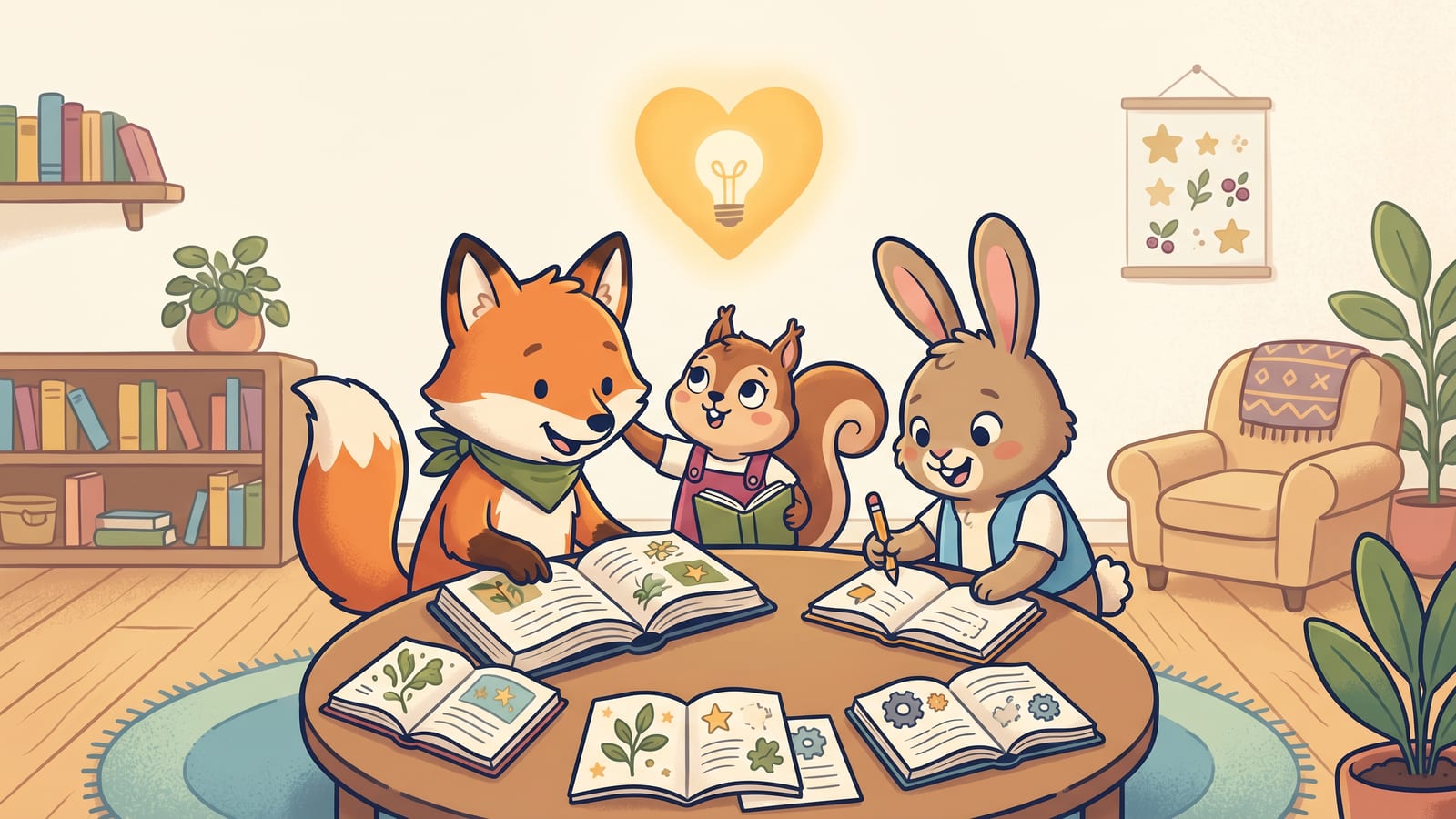
Every teacher has felt the sticker-chart paradox: the rewards work beautifully for a few weeks, and then one day a student shrugs and says, "I don't care about stickers anymore." The reward stopped working — and worse, the behavior went with it.
Understanding the difference between intrinsic and extrinsic motivation is how you avoid that trap.
Two kinds of motivation
Intrinsic motivation comes from inside. A student reads because the story grabs them, solves a puzzle because it's satisfying, or helps a classmate because it feels good. The reward is the activity.
Extrinsic motivation comes from outside. A student works for a sticker, a point, a grade, or to avoid a consequence. The reward is separate from the activity.
Both are real, and both have a place. The goal isn't to ban one — it's to use extrinsic rewards in a way that feeds intrinsic motivation instead of starving it.
When rewards backfire
Research on motivation offers one important caution: when you reward something a child already loves to do, the reward can sometimes replace their natural interest. The child starts doing it for the prize, and when the prize disappears, so does the behavior. Psychologists call this the overjustification effect.
Rewards are most likely to backfire when they are:
- Expected and dangled in advance ("Do this and you'll get that").
- Tied to simply participating rather than to effort or quality.
- The only reason the activity is happening.
How to use rewards the right way
You don't have to abandon points and recognition — you have to aim them well. Self-determination theory says lasting motivation grows from three needs: autonomy, competence, and connection. Good reinforcement supports all three.
Reward effort and growth, not just compliance
Recognize the process: the strategy a student tried, the persistence they showed, the kindness they offered. This builds a growth mindset and keeps the focus on things students can control.
Make recognition a celebration, not a transaction
A point that triggers a cheer for a student's chosen creature feels like being seen, not being paid. That emotional connection is what makes positive reinforcement stick. It's why Chou Chou Teach ties every point to a character kids care about.
Give students autonomy
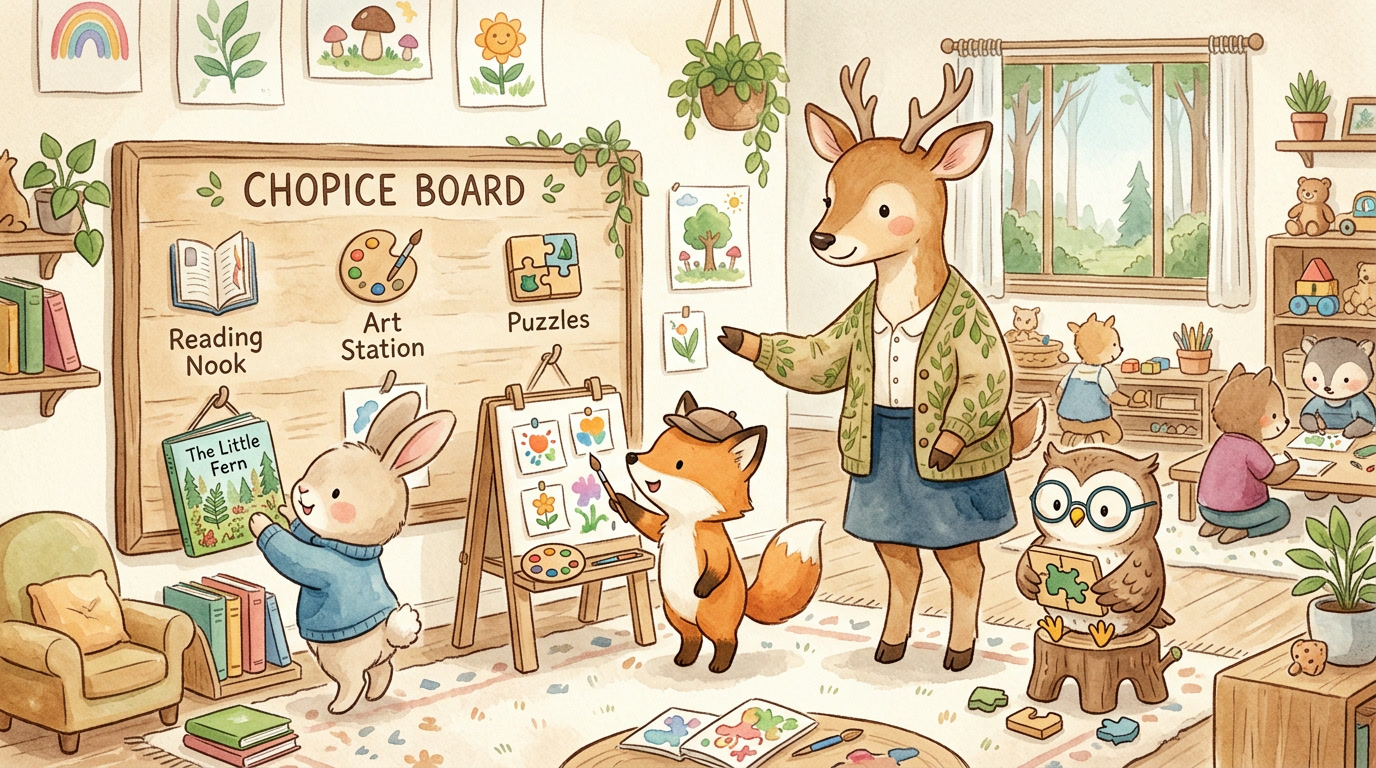
Let kids choose: which book, which seat, which order to tackle tasks. A small choice restores the sense of ownership that pure rewards can erode.
Help students see their own progress
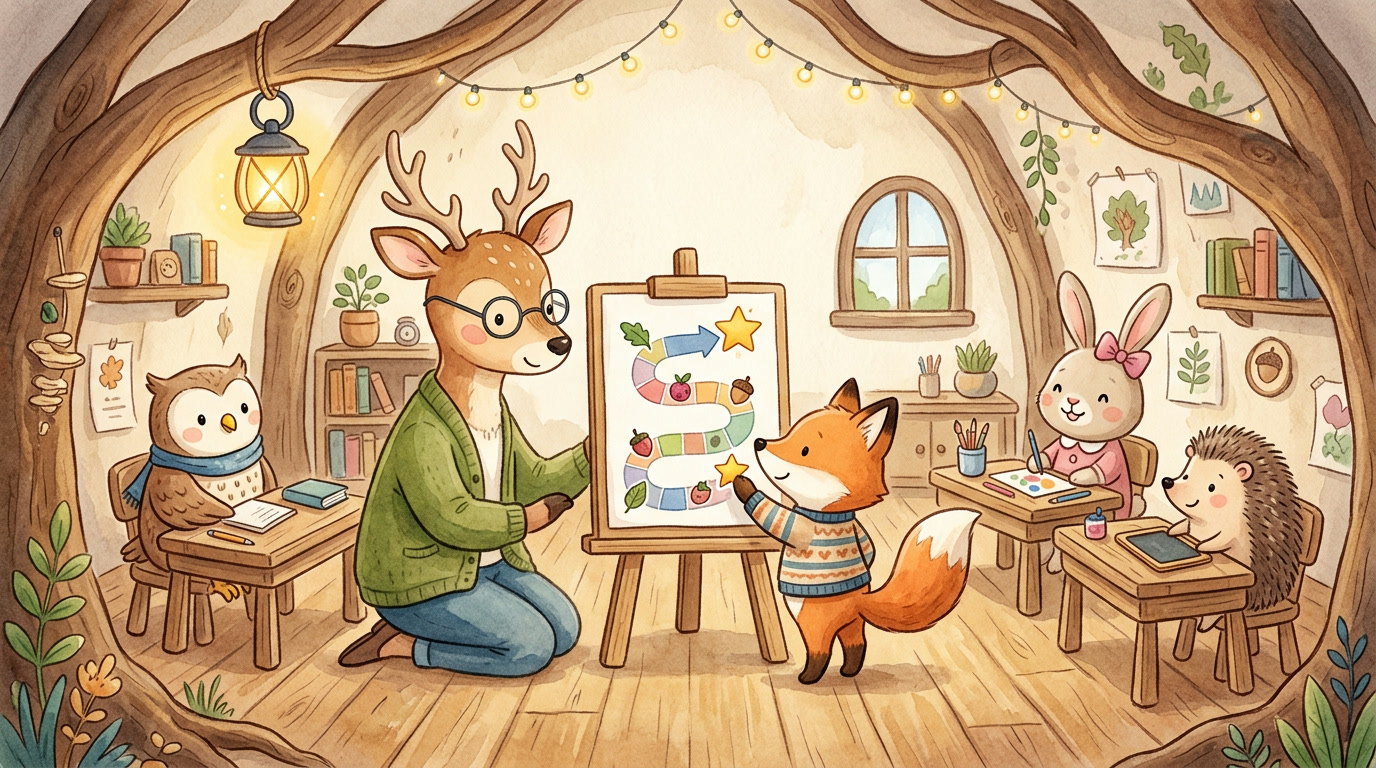
Nothing fuels intrinsic motivation like visible growth. Point tallies, progress over time, and "look how far you've come" moments let students experience their own competence.
The goal: motivation that outlives the reward
Think of extrinsic rewards as training wheels. Early on, points and praise help a behavior get started. But the aim is always to transfer the motivation inward — so that one day the student keeps going because they want to, not because a sticker is waiting.
Use rewards to start the behavior, build autonomy and competence around it, and you'll grow motivation that lasts long after the chart comes down.
Keep going to see how to get the day-to-day habits in our positive reinforcement guide.
References
- Lepper, M. R., Greene, D., & Nisbett, R. E. (1973). Undermining children's intrinsic interest with extrinsic reward: A test of the "overjustification" hypothesis. Journal of Personality and Social Psychology, 28(1), 129–137.
- Deci, E. L., & Ryan, R. M. (2000). Self-determination theory and the facilitation of intrinsic motivation, social development, and well-being. American Psychologist, 55(1), 68–78.
- Mueller, C. M., & Dweck, C. S. (1998). Praise for intelligence can undermine children's motivation and performance. Journal of Personality and Social Psychology, 75(1), 33–52.
Frequently asked questions
What is the difference between intrinsic and extrinsic motivation?
Do rewards hurt students' motivation?
How can I use rewards without killing intrinsic motivation?
What is the overjustification effect?
How do I build motivation that lasts?

Bec
Teacher & Chou Chou Educator
Bec is a fifth grade teacher who lives and breathes positive classrooms. She writes the Chou Chou Learn library to help fellow teachers catch their kids being good.