 Student Motivation
Motivating students isn't about finding a bigger sticker — it's about meeting three basic human needs: autonomy (a sense of control), competence (a sense of capability), and relatedness (a sense of connection). When teachers design lessons and routines around those needs, motivation starts coming from inside the student instead of being squeezed out of them. The eight strategies below show how to do that in a real classroom.
What actually drives student motivation?
It helps to start with a distinction. Intrinsic motivation comes from inside — a student reads because the story pulls them in. Extrinsic motivation comes from outside — a student reads to earn a prize. Both are real and both have a place, but the goal is to grow the kind of drive that keeps working when no one is watching. (We dig into the trade-offs in Intrinsic vs. Extrinsic Motivation.)
The most useful framework for understanding that inner drive comes from psychologists Edward Deci and Richard Ryan, whose Self-Determination Theory proposes that humans are naturally curious and motivated when three psychological needs are met: autonomy, competence, and relatedness. This is the same research that journalist Daniel Pink later popularized for a general audience in his book Drive. When a classroom starves any one of those needs — too much control, too much failure, too little connection — motivation quietly drains away.
The strategies that follow are simply practical ways to feed those three needs.
How can I support autonomy in the classroom?
Autonomy is the feeling that I have a say in what I'm doing. It is not the same as a free-for-all — it's structured choice.
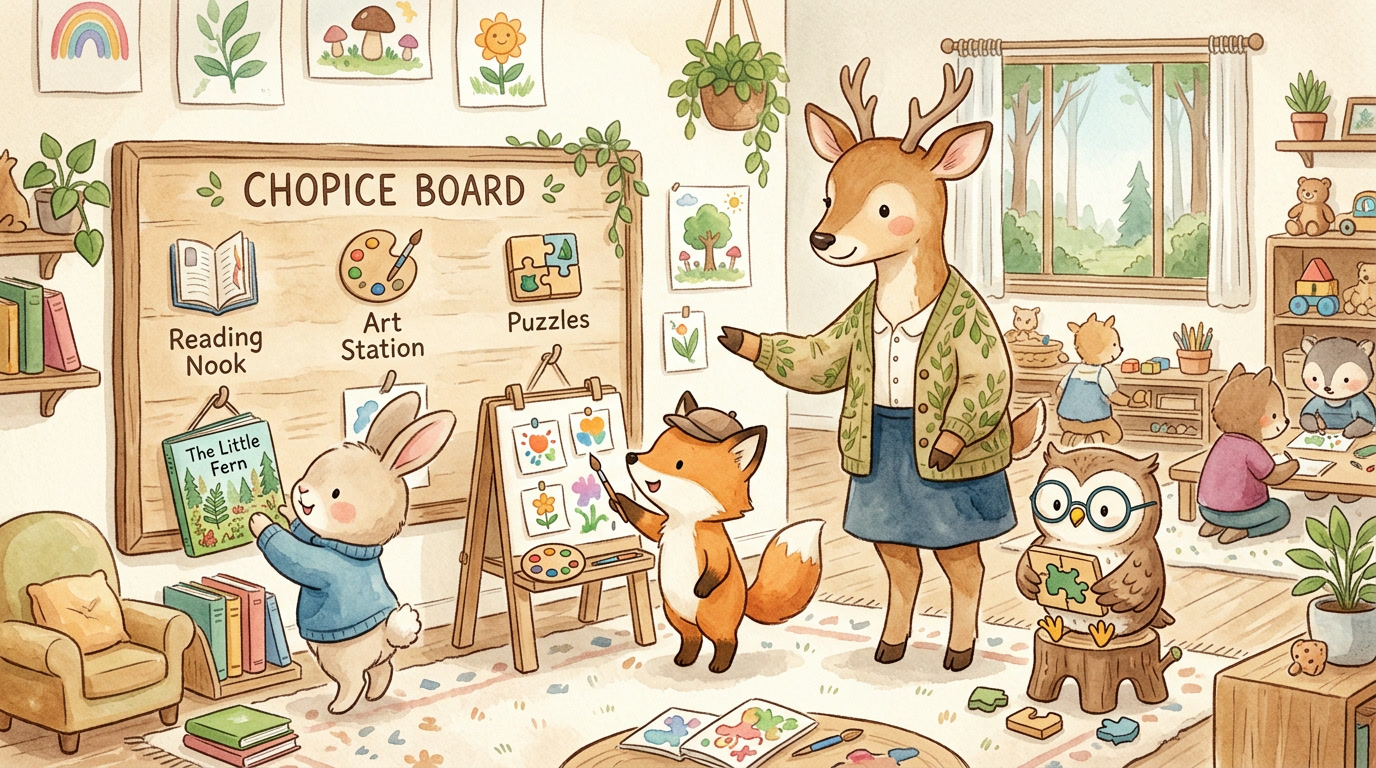
1. Offer real choices. Let students pick which three of five problems to do, choose a topic for a project, decide whether to work standing or sitting, or select the order they tackle tasks. Even small choices shift a student from compliance ("I have to") to ownership ("I chose to").
2. Explain the "why." Students grant their effort more freely when a task has a visible purpose. A quick sentence — "We're learning this so you can spot misleading graphs in the news" — turns a worksheet into something that matters. Relevance is autonomy's quiet partner: people commit to things that connect to their own lives and goals.
How do I build a sense of competence?
Competence is the feeling that I can actually do this. Nothing kills motivation faster than the conviction that effort is pointless.
3. Scaffold for small wins. Break big tasks into steps a student can succeed at today, then build up. Each small win is evidence that effort pays off, and that evidence is what fuels the next attempt.
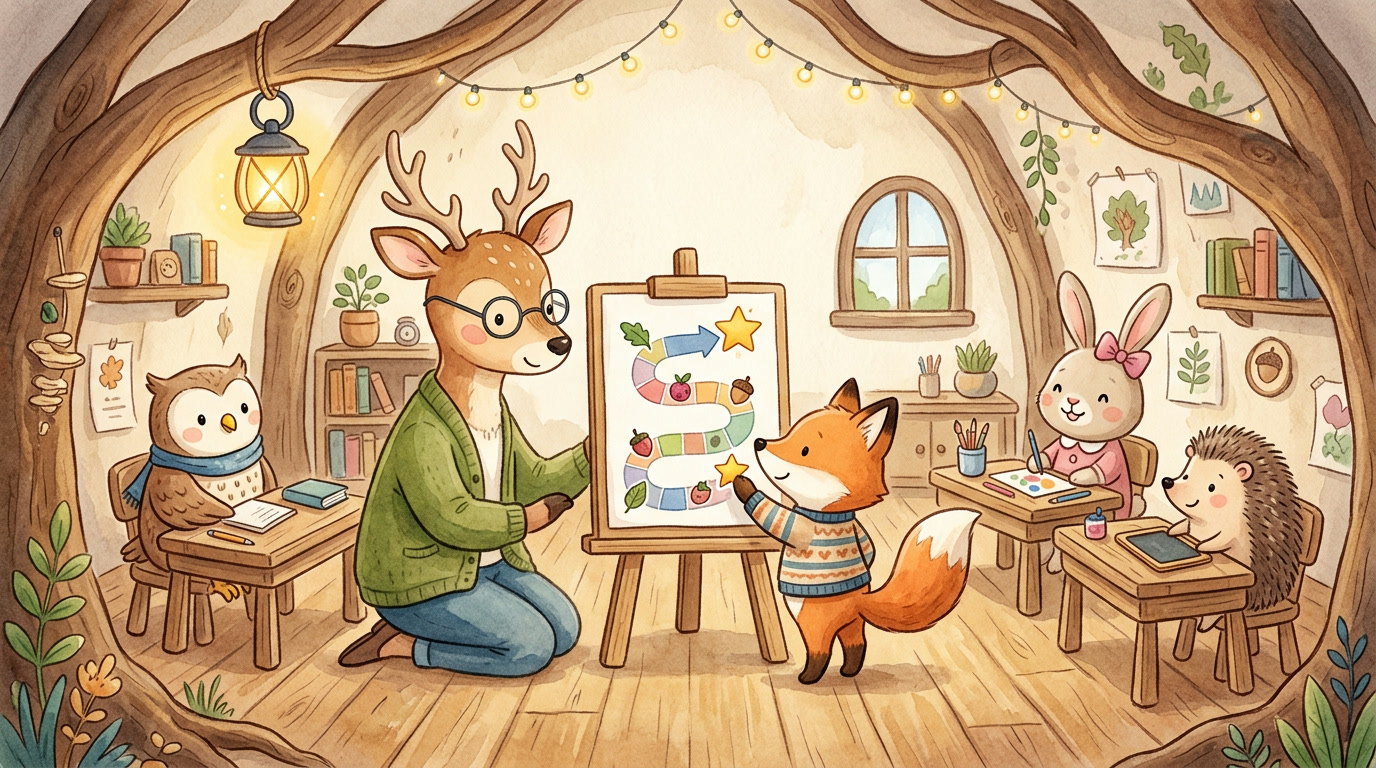
4. Make progress visible. Students often can't feel their own growth. Show it to them — a filled-in skills checklist, a "before and after" writing sample, a points total that only ever climbs. Seeing the line move is its own reward.
5. Give growth-mindset feedback. Praise effort, strategy, and improvement rather than fixed traits. "You kept revising until that paragraph clicked" tells a student that getting better is in their control. (More in Growth Mindset in the Classroom.)
Why do relationships matter so much for motivation?
Relatedness is the feeling that I belong here and someone is in my corner. Students work harder for teachers they trust, and they take more risks in rooms where they feel safe.
6. Invest in the relationship. Greet students by name, notice what they care about, follow up on yesterday's small struggle. These tiny moments are the foundation everything else rests on. (See Teacher-Student Relationships.)
7. Use positive recognition. Catching students doing things right — and naming it specifically — strengthens both competence ("I'm good at this") and relatedness ("my teacher sees me"). Done well, recognition supports motivation rather than undermining it, because it celebrates real effort instead of dangling a controlling carrot.
8. Build a culture of belonging. Group celebrations, shared class goals, and routines where students help each other turn a room full of individuals into a community working toward something together.
Mapping the three needs to classroom moves
| SDT need | What the student feels | Concrete classroom moves |
|---|---|---|
| Autonomy | "I have a say." | Offer choice of task, topic, or order; explain the purpose; invite student input on class norms |
| Competence | "I can do this." | Scaffold into small wins; make progress visible; give effort- and strategy-focused feedback |
| Relatedness | "I belong and I'm seen." | Learn names and interests; recognize effort specifically; build shared class goals and celebrations |
A note on rewards and recognition
Teachers sometimes worry that any reward will crush intrinsic motivation. The research is more nuanced: rewards backfire mainly when they feel controlling or when they replace a student's existing interest. Recognition that is informational — that says here's what you did well — tends to support motivation instead.
This is exactly the design philosophy behind Chou Chou Teach. Points only ever go up, never down, so recognition stays positive and never becomes a tool for control or public punishment. Awarding a point names a specific, real behavior ("great perseverance on that problem"), which feeds a student's sense of competence, and doing it warmly in front of the class feeds relatedness — all without taking away a student's autonomy. Used this way, a points system is a structured habit for catching kids being good, not a carrot-and-stick machine.
Putting it together
You don't need all eight strategies at once. Pick the need your class is most starved for — maybe it's competence after a hard unit, maybe it's relatedness in a new group — and start there. Motivation isn't a personality trait students either have or lack. It's something a classroom either nurtures or neglects, one choice, one small win, and one moment of being seen at a time.
Ready to make positive recognition a daily habit? Explore Chou Chou Teach and dig deeper with Intrinsic vs. Extrinsic Motivation and Growth Mindset in the Classroom, or browse the full Student Motivation topic.
References
- Deci, E. L., & Ryan, R. M. Self-Determination Theory — overview of autonomy, competence, and relatedness. selfdeterminationtheory.org
- Pink, D. H. Drive: The Surprising Truth About What Motivates Us. Riverhead Books — popular synthesis of motivation research.
- Dweck, C. S. Mindset: The New Psychology of Success — research on praise and growth mindset.
Frequently asked questions
How do you motivate unmotivated students?
What are the three needs in Self-Determination Theory?
Do rewards hurt student motivation?
What is the fastest way to boost motivation in a lesson?
How does praise affect motivation?

The Chou Chou Team
Classroom Coaches
We build privacy-first tools that help K-12 teachers run warmer, calmer, more positive classrooms.