 Positive Reinforcement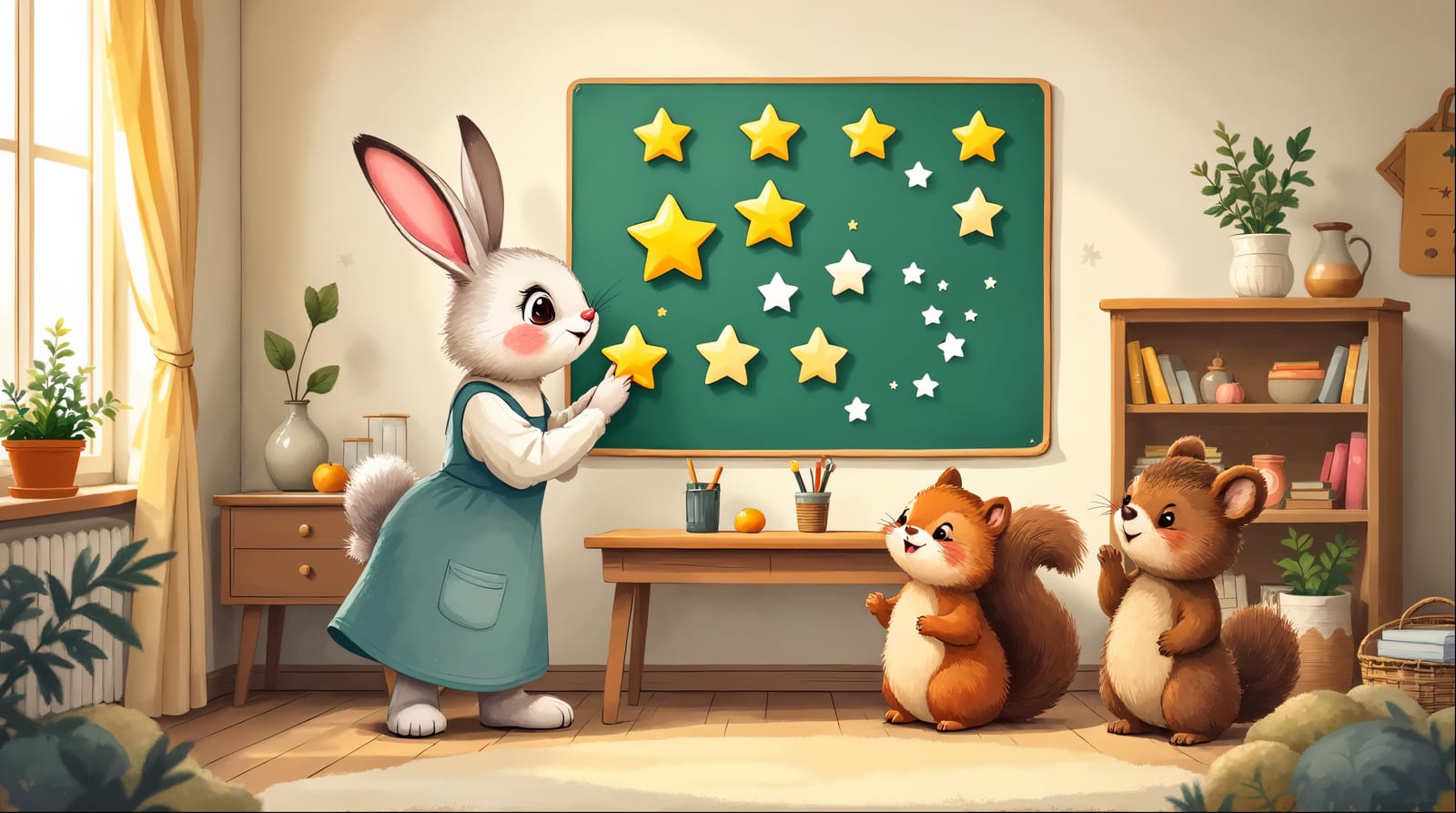
The most effective classroom reward systems work by reinforcing positive behavior after it happens — not by dangling prizes to stop misbehavior in the moment. The difference between a reward and a bribe comes down to timing and intent. Used well, rewards build momentum toward intrinsic motivation; used poorly, they can quietly undermine the very interest you're trying to grow.
If you've ever worried that your sticker chart is "just bribery," you're asking the right question. Here's what the research actually says — and how to design a system that motivates without backfiring.
Are classroom rewards the same as bribery?
This is the question that keeps thoughtful teachers up at night, and the answer is reassuring: a reward and a bribe are not the same thing. They can even be the exact same object — a sticker, a point, five minutes of free choice. What separates them is when you offer it and why.
A bribe is offered in advance, usually in the heat of a problem: "If you stop shouting, I'll let you pick a prize." You're rewarding the cessation of bad behavior, which teaches a child that acting out is the fastest route to a deal.
A reward, in the behavioral sense, is delivered after a positive behavior, strengthening the chance it happens again. This is B.F. Skinner's principle of operant conditioning: behavior that's reinforced tends to be repeated. The reward isn't a negotiation — it's recognition.
| Reinforcement (works) | Bribery (backfires) | |
|---|---|---|
| Timing | Given after good behavior | Offered before, mid-problem |
| Trigger | Catching a student doing the right thing | Trying to stop misbehavior in progress |
| Message | "That was great — keep it up" | "Misbehave and we'll make a deal" |
| Effect over time | Strengthens positive habits | Teaches kids to act out for leverage |
The practical takeaway: catch them being good. If you find yourself promising rewards to end a meltdown, that's the bribery trap. If you're recognizing effort that already happened, you're reinforcing.
What is the overjustification effect — and how do I avoid it?
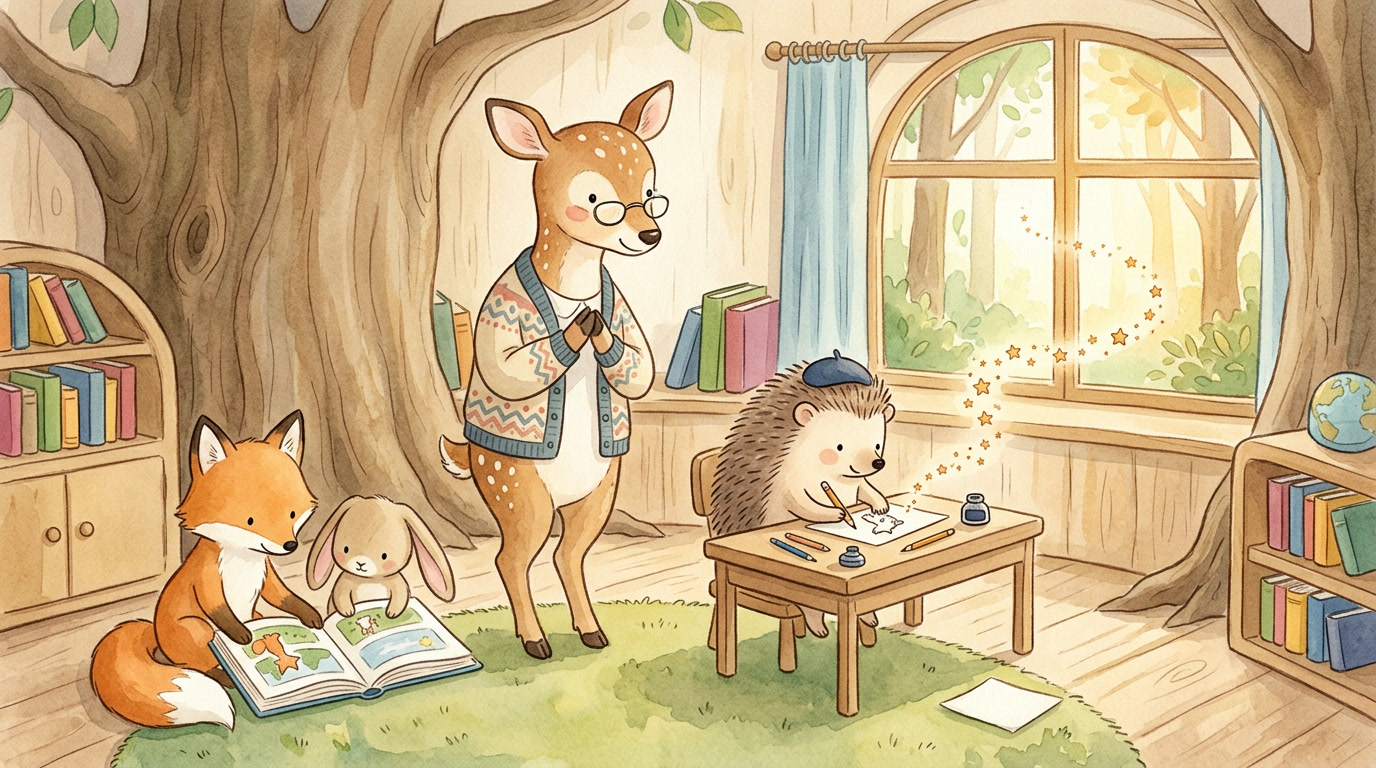
The most important research wrinkle every teacher should know comes from Lepper, Greene & Nisbett (1973). In their now-classic study, preschoolers who already loved drawing were split into groups. Some were promised a "Good Player" award for drawing; others drew freely with no reward. Later, the kids who'd been rewarded for something they already enjoyed spent less time drawing on their own.
This is the overjustification effect: when you reward someone for an activity they're already intrinsically motivated to do, the external reward can crowd out the internal drive. The child reframes "I draw because I love it" as "I draw to get the prize" — and when the prize disappears, so does the motivation.
This doesn't mean rewards are dangerous. It means they should be aimed carefully:
- Reward what kids aren't yet motivated to do — pushing through a hard problem, cleaning up quickly, including a lonely classmate — not what they already love.
- Reward effort and process, not the activity itself. Recognizing persistence ("you kept going when that was tricky") protects intrinsic interest in a way that paying-per-page does not.
- Keep rewards unexpected. Lepper's effect was strongest when rewards were promised in advance. Surprise recognition for good work is far less likely to undermine motivation.
What types of classroom reward systems are there?
There's no single "right" system — the strongest classrooms usually blend a few. Here are the three main families:
Individual systems
One student earns recognition for their own behavior — points, a shout-out, a note home. These are powerful for building personal accountability and for noticing the quiet kid who never causes trouble but rarely gets praised. The risk is constant public comparison, so keep the focus on each child's own growth rather than ranking them against peers.
Group and whole-class systems
The whole class works toward a shared goal — filling a jar, reaching a point total, earning an extra read-aloud. Group systems build collective responsibility and tap into peer support; students start encouraging each other because everyone benefits. This aligns naturally with PBIS (Positive Behavioral Interventions and Supports), which emphasizes clear, positively-stated expectations reinforced consistently across the whole community.
Intrinsic-leaning systems
Instead of physical prizes, the "reward" is a privilege, a responsibility, or a choice: line leader, choosing the class story, extra time on a favorite project. Because these connect to autonomy and competence — two of the core needs Deci & Ryan's self-determination theory says drive lasting motivation — they're the least likely to trigger overjustification and the easiest to sustain long-term.
How do I design a reward system that fades toward intrinsic motivation?
The goal of any reward system isn't to reward forever — it's to build habits that eventually run on their own fuel. A few research-backed design principles get you there:
Reward effort and strategy, not just outcomes. Recognizing the process ("you tried three different ways") builds resilience and keeps motivation internal, echoing the spirit of Carol Dweck's work on growth mindset.
Make it intermittent and a little unpredictable. Rewarding every single instance gets predictable and creates dependency. Skinner's research on reinforcement schedules showed that variable, intermittent reinforcement produces the most durable behavior. Catch kids being good at varied, unexpected moments.
Always pair the reward with specific praise. The sticker fades; the words "I noticed how patiently you helped your partner" stick. Naming the behavior is what transfers motivation from the prize to the child's own sense of who they are.
Stretch the interval, keep the praise. Over time, hand out tangible rewards less often while keeping your verbal recognition constant. Eventually the praise — and the student's own competence — carries the behavior.
Keep points positive-only. Taking points away as punishment turns a reinforcement system into a public shaming tool and damages the teacher-student relationship. Recognition should only ever build students up.
That last principle is why Chou Chou Teach is built so points never go down. It's a positive-only classroom points system designed around reinforcement rather than punishment — you catch students being good, the recognition is immediate and visible, and there's no leaderboard-style point-docking to sour the room. Paired with specific praise, it's exactly the kind of "reward that fades into a habit" the research points toward.
A reward system done right isn't bribery — it's scaffolding. You're not paying kids to behave; you're noticing them when they do, until noticing becomes unnecessary.
To go deeper on the motivation science, read Intrinsic vs. Extrinsic Motivation and The Science of Praise. You can build your own positive-only system in minutes with Chou Chou Teach.
References
- Deci, E. L., & Ryan, R. M. (1985). Intrinsic Motivation and Self-Determination in Human Behavior. Plenum Press.
- Dweck, C. S. (2006). Mindset: The New Psychology of Success. Random House.
- Lepper, M. R., Greene, D., & Nisbett, R. E. (1973). Undermining children's intrinsic interest with extrinsic reward: A test of the "overjustification" hypothesis. Journal of Personality and Social Psychology, 28(1), 129–137.
- Skinner, B. F. (1953). Science and Human Behavior. Macmillan.
Frequently asked questions
Are classroom rewards just bribery?
What is the overjustification effect?
What kinds of classroom reward systems work best?
Should every good behavior earn a reward?
How do I move students from rewards to intrinsic motivation?

Bec
Teacher & Chou Chou Educator
Bec is a fifth grade teacher who lives and breathes positive classrooms. She writes the Chou Chou Learn library to help fellow teachers catch their kids being good.